
Understanding Copper-Gold Anomalies at Musangala: What Makes Them Unique?


The Musangala region has garnered significant attention in recent years due to its intriguing copper-gold anomalies. These natural occurrences present unique geological features that offer valuable insights into mineral exploration and extraction. Understanding these anomalies is crucial for geologists, investors, and mining companies alike.

Geological Formation of Musangala
Musangala's copper-gold anomalies are primarily influenced by the area's unique geological history. The region is characterized by a complex interplay of tectonic activities that have shaped its mineral-rich landscape. These tectonic activities have resulted in the formation of significant mineral deposits, providing a fertile ground for copper and gold.
Moreover, the specific rock formations found in Musangala, such as volcanic and sedimentary rocks, contribute to the concentration of minerals. The interaction between these rock types through geological processes has enriched the area with copper and gold deposits.
Role of Hydrothermal Systems
Hydrothermal systems play a critical role in the development of copper-gold anomalies at Musangala. These systems involve the circulation of hot, mineral-rich fluids through rock formations. As the fluids move, they deposit minerals in fractures and cavities, leading to the formation of ore bodies.
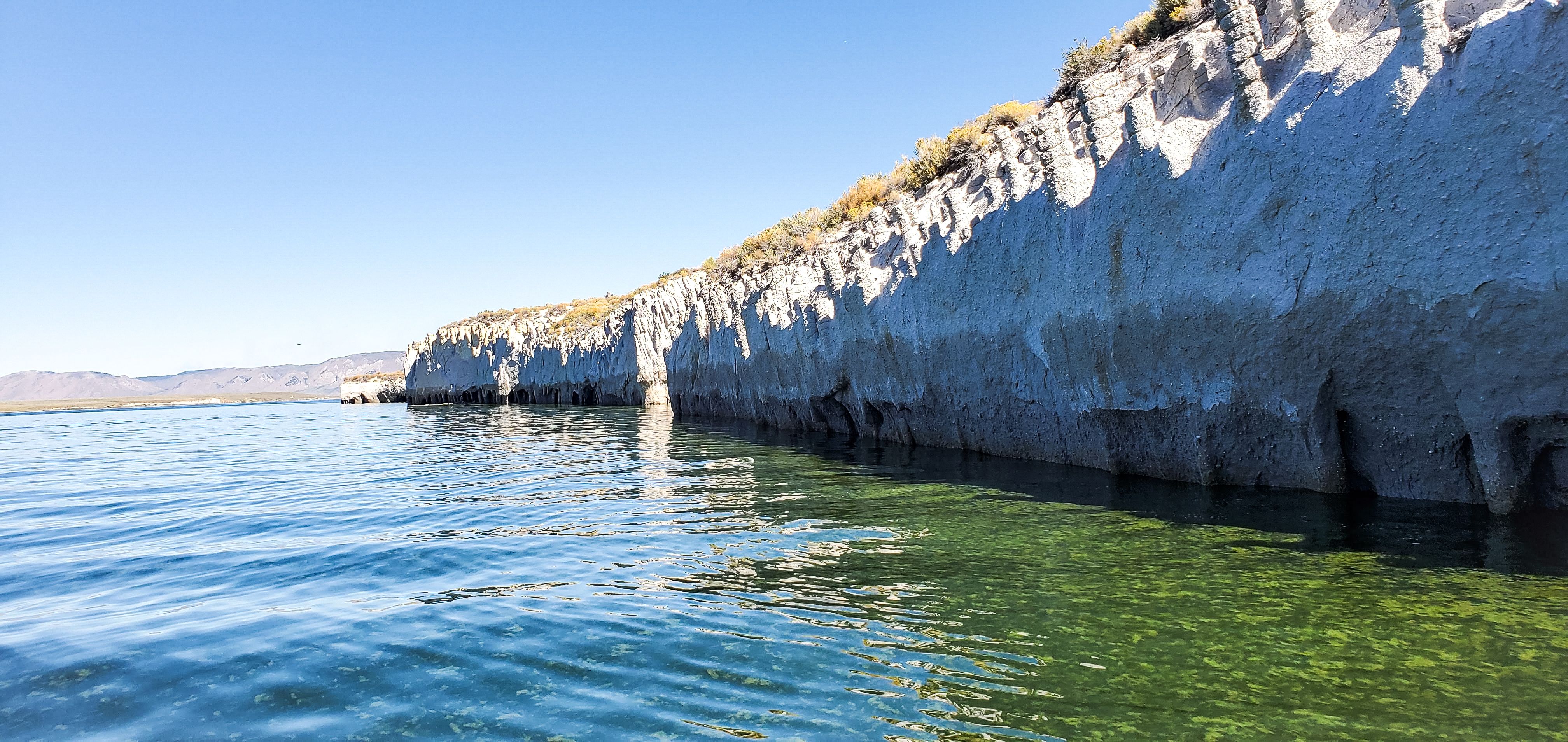
The presence of these hydrothermal systems is a key factor in Musangala's mineral wealth. They not only concentrate minerals but also provide an indicator for exploration activities. By studying the patterns and distribution of hydrothermal systems, geologists can better predict the location of valuable deposits.
Exploration Techniques
Exploring copper-gold anomalies in Musangala requires a combination of traditional and modern techniques. Geophysical surveys, such as magnetic and electromagnetic methods, are commonly employed to map subsurface structures. These surveys help in identifying potential mineral-rich zones.
Geochemical analysis is another vital tool. By sampling soil, rock, and water, geologists can detect trace elements that indicate the presence of copper and gold. This data, combined with geophysical findings, aids in creating detailed models of the subsurface.
Environmental Considerations
While the exploration and extraction of minerals offer economic benefits, they also raise environmental concerns. Responsible mining practices are essential to minimize the impact on Musangala's ecosystems. This includes managing waste, protecting water resources, and rehabilitating mining sites.

Efforts are being made to balance economic gain with ecological preservation. Stakeholders are increasingly adopting sustainable practices to ensure that mining activities do not compromise the region's environmental integrity.
Economic Impact
The development of copper-gold anomalies in Musangala has the potential to significantly boost the local economy. Mining activities create jobs, stimulate infrastructure development, and generate revenue for local governments. These economic benefits can contribute to community development and improved living standards.
However, it is crucial to ensure that the wealth generated from these resources is equitably distributed. Transparent governance and community engagement are key to achieving sustainable economic growth.
In conclusion, understanding the unique copper-gold anomalies at Musangala requires a multidisciplinary approach. By combining geological, environmental, and economic perspectives, stakeholders can harness the full potential of these resources while ensuring sustainability and community well-being.