
Top 5 Innovations in Geological Prospecting and Their Impact on Exploration


Introduction to Geological Prospecting Innovations
The field of geological prospecting has seen remarkable advancements over the past decade. These innovations are transforming how we explore and understand the Earth's subsurface, leading to more efficient and sustainable resource extraction. In this post, we will explore the top five innovations in geological prospecting and their significant impact on exploration.
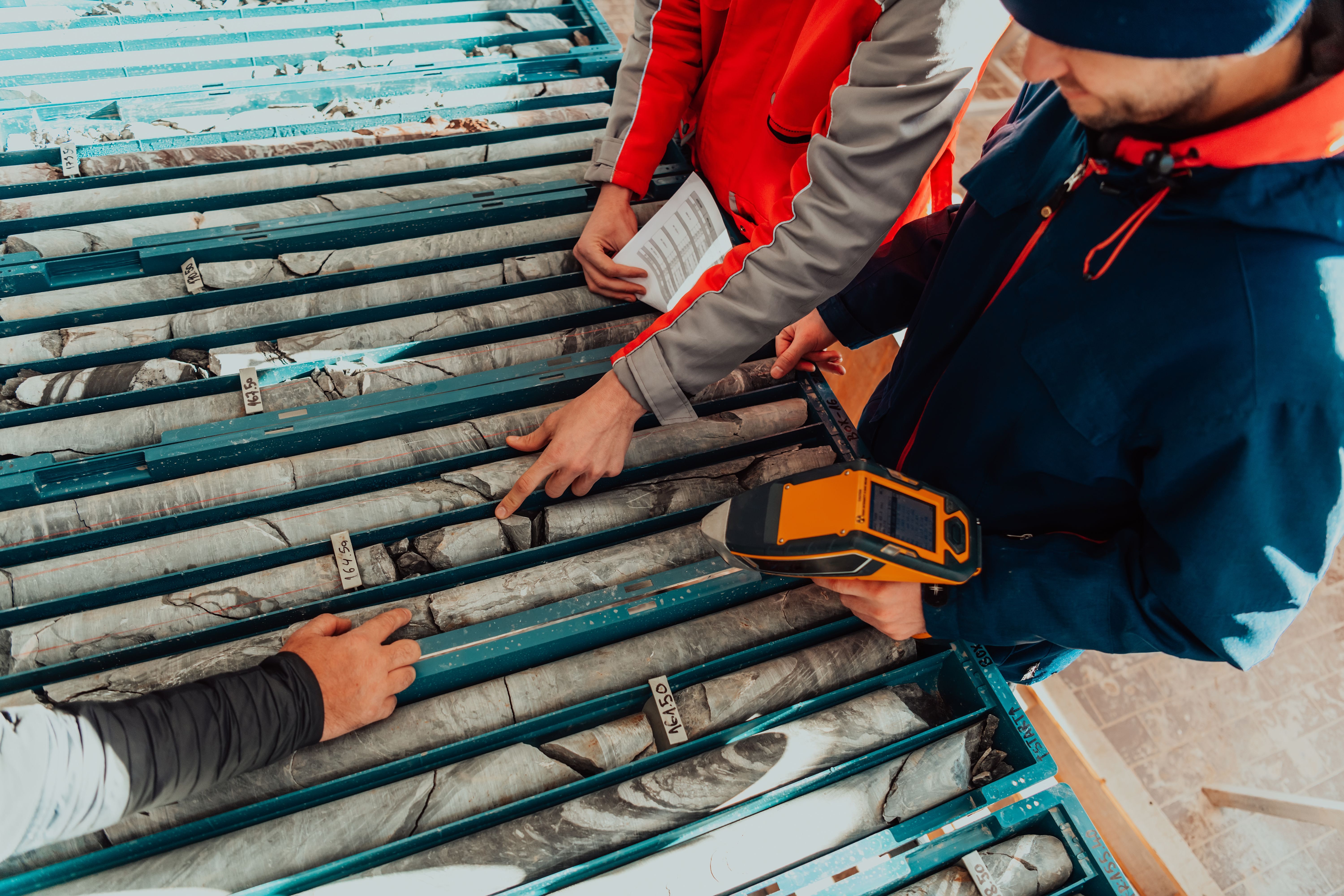
1. Advanced Remote Sensing Technologies
Remote sensing technologies have revolutionized geological prospecting by allowing for the extensive and detailed study of the Earth's surface without direct contact. Satellite imagery and aerial drones equipped with multispectral and hyperspectral sensors can identify mineral deposits and geological formations with unprecedented precision.
Benefits:
- Increases the speed and accuracy of data collection.
- Reduces the need for costly and time-consuming ground surveys.
- Facilitates exploration in inaccessible or hazardous areas.
2. Machine Learning and Data Analytics
Machine learning and data analytics are transforming the way geological data is analyzed and interpreted. By applying algorithms to vast datasets, geologists can identify patterns and anomalies that might indicate the presence of valuable resources.
These technologies not only enhance the predictive accuracy but also help in optimizing exploration strategies, thereby reducing costs and environmental impact.

3. 3D Geological Modeling
3D geological modeling offers a comprehensive view of subsurface structures, enabling geologists to visualize and assess their geological prospects with greater clarity. This innovation allows for more accurate resource estimation and risk assessment.
Through the integration of various data sources, 3D models provide insights into complex geological formations, making exploration decisions more informed and strategic.
4. Enhanced Drilling Techniques
Recent advancements in drilling technology have made it possible to extract resources more efficiently and with less environmental impact. Techniques such as directional drilling and hydraulic fracturing have opened up new possibilities for exploration.
These methods allow for greater precision and control, minimizing surface disruption and maximizing resource recovery.
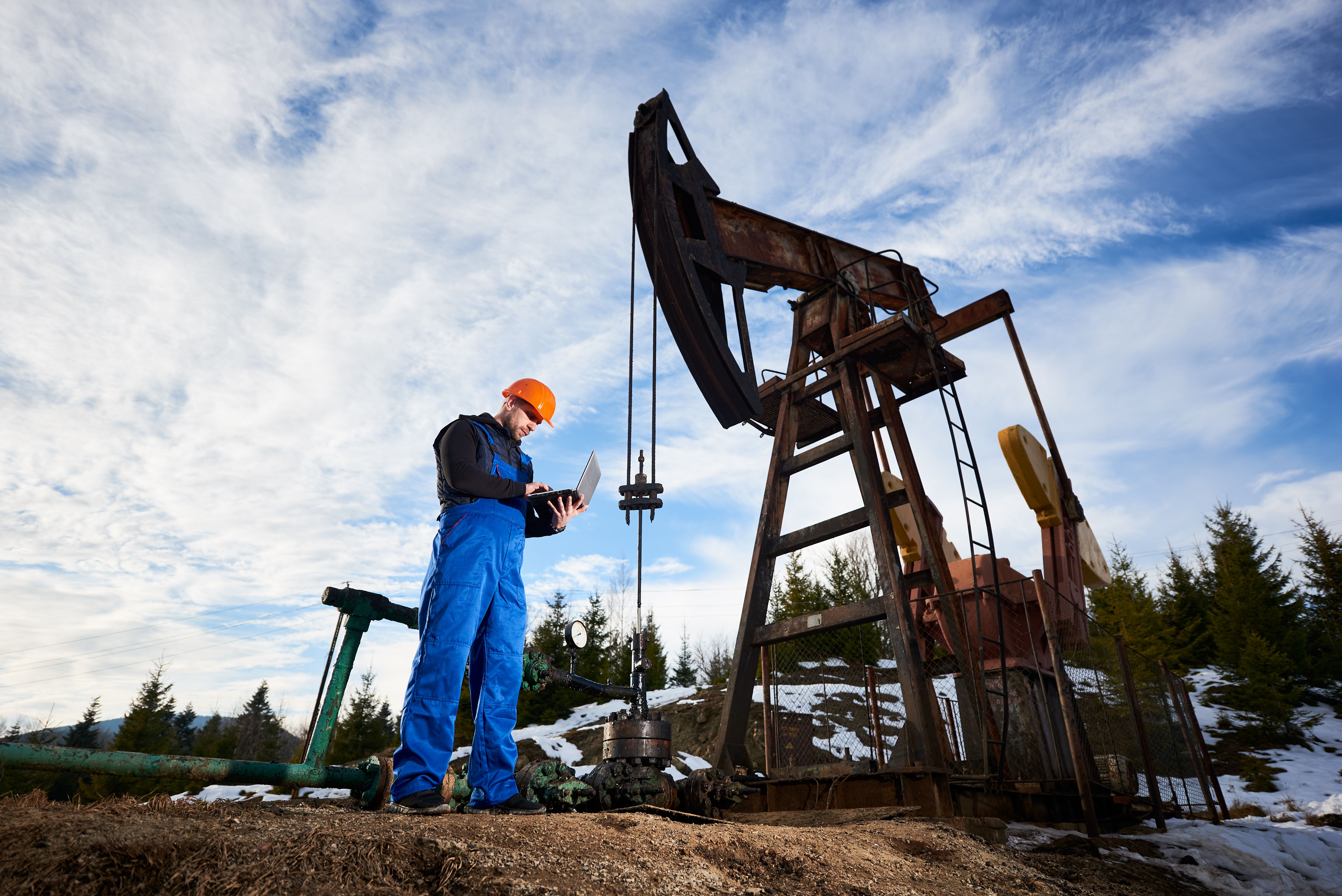
5. Sustainable Exploration Practices
As sustainability becomes a priority, innovative practices are being adopted to minimize the environmental footprint of geological exploration. This includes the use of biodegradable drilling fluids, renewable energy sources for operations, and advanced waste management systems.
By prioritizing sustainability, companies not only comply with regulations but also enhance their reputation and social license to operate.
Conclusion
The innovations in geological prospecting are reshaping the industry by making exploration more efficient, cost-effective, and environmentally friendly. As technology continues to advance, the potential for discovering new resources and understanding our planet's subsurface will only grow.
Embracing these innovations is crucial for companies looking to remain competitive and responsible in the ever-evolving field of geological exploration.