
Innovations in Remote Sensing for Mining: Transforming the Lufilian Arc


The Lufilian Arc, a rich geological formation that spans parts of Zambia and the Democratic Republic of the Congo, is an area of significant interest for mining companies. As the demand for minerals increases, innovative technologies are transforming how mining operations are conducted in this region. One of the most impactful advancements is the use of remote sensing technologies.
Understanding Remote Sensing
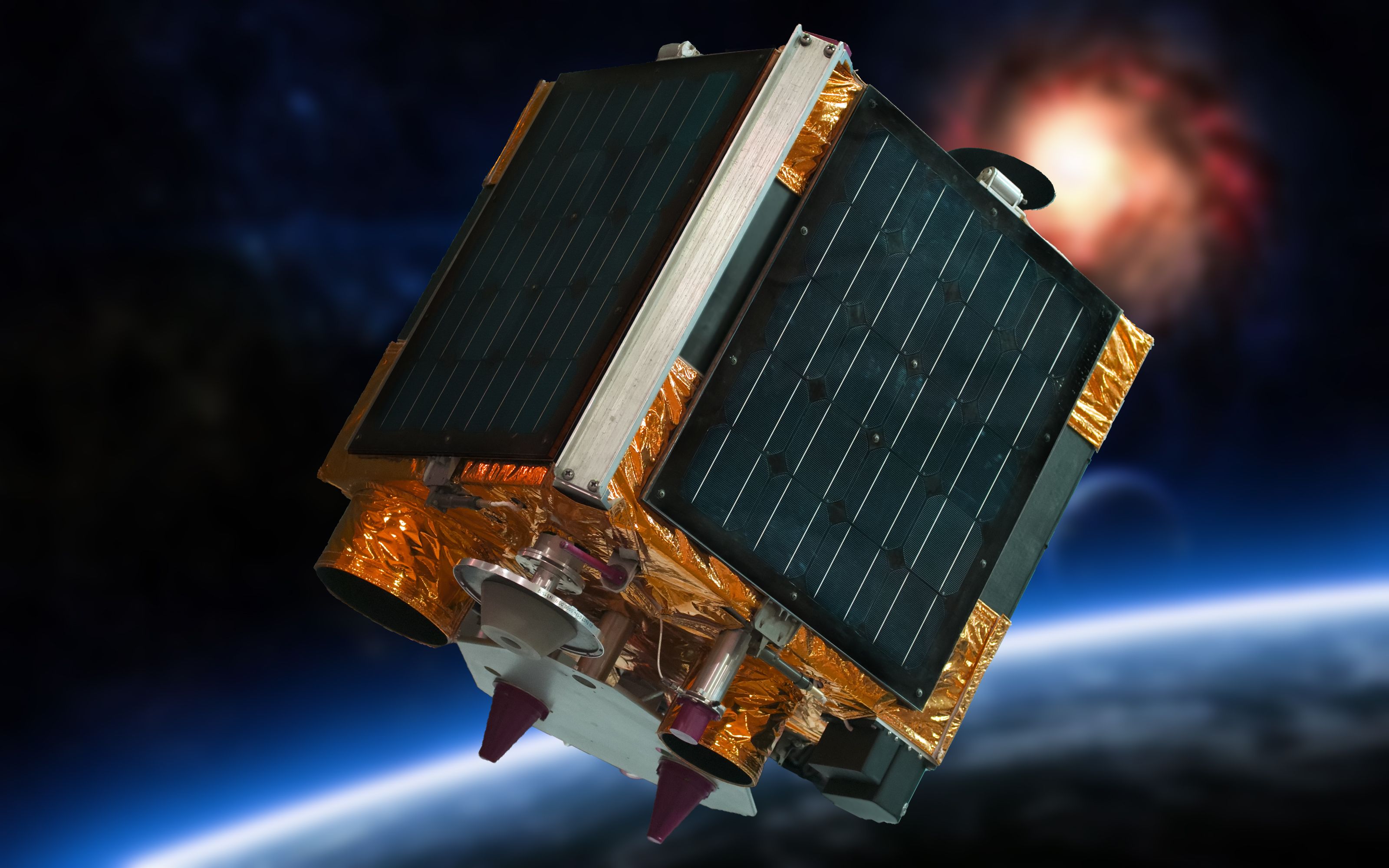
Remote sensing refers to the acquisition of information about an object or area from a distance, typically using satellite or aerial imagery. This technology has become a cornerstone in modern mining operations, providing valuable data that can enhance exploration, monitoring, and decision-making processes.
Remote sensing offers several advantages, including the ability to cover large areas quickly and efficiently. It is particularly useful in the Lufilian Arc, where vast and sometimes inaccessible terrains can pose challenges for traditional exploration methods.

Advancements in Remote Sensing Technologies
Recent innovations in remote sensing are making it even more powerful and precise. Technologies such as LiDAR (Light Detection and Ranging) and hyperspectral imaging are at the forefront of this revolution. These tools allow for the detailed analysis of mineral compositions from the air, reducing the need for ground-based surveys.
LiDAR, in particular, provides high-resolution topographical data that can reveal subtle geological features. This capability is crucial for identifying potential mining sites and planning extraction activities efficiently.
Hyperspectral Imaging
Hyperspectral imaging goes beyond traditional imaging techniques by capturing data across multiple wavelengths. This allows for the identification of minerals based on their spectral signatures, providing a powerful tool for geologists and mining engineers.
Applications in the Lufilian Arc
The Lufilian Arc stands to benefit significantly from these remote sensing innovations. By enabling detailed mapping and analysis, these technologies can help identify new mineral deposits and optimize the extraction processes of existing ones.
Furthermore, remote sensing can play a critical role in environmental management. It allows for the continuous monitoring of mining sites, helping companies adhere to regulatory standards and minimize environmental impact.
Environmental Monitoring
Continuous monitoring through remote sensing ensures that any changes in the landscape, such as deforestation or water pollution, are quickly detected. This proactive approach not only aids in compliance but also promotes sustainable mining practices.
The Future of Mining in the Lufilian Arc
As remote sensing technologies continue to evolve, their applications in mining will likely expand further. The integration of artificial intelligence and machine learning with remote sensing data is poised to offer even deeper insights, automating complex analyses and improving predictive capabilities.
These advancements promise to make mining operations in the Lufilian Arc more efficient, sustainable, and profitable. By adopting cutting-edge technologies, the mining industry can ensure the responsible extraction of resources while safeguarding the environment.