
Geological Insights: Distinguishing Features of the Lufilian Arc's Mineral Deposits


Introduction to the Lufilian Arc
The Lufilian Arc is a well-known geological feature stretching across parts of the Democratic Republic of the Congo and Zambia. This region is renowned for its rich mineral deposits, making it a focal point for geologists and mining companies worldwide. Understanding the geological features of this arc provides insights into its mineral wealth and potential for future exploration.

Geological Formation
The Lufilian Arc was formed during the Pan-African orogeny, a series of tectonic events that shaped much of the African continent. This formation is characterized by complex folding and faulting, resulting in a rich variety of mineral deposits. The arc is predominantly composed of sedimentary rocks, with significant occurrences of metamorphic and igneous intrusions.
Mineral Richness
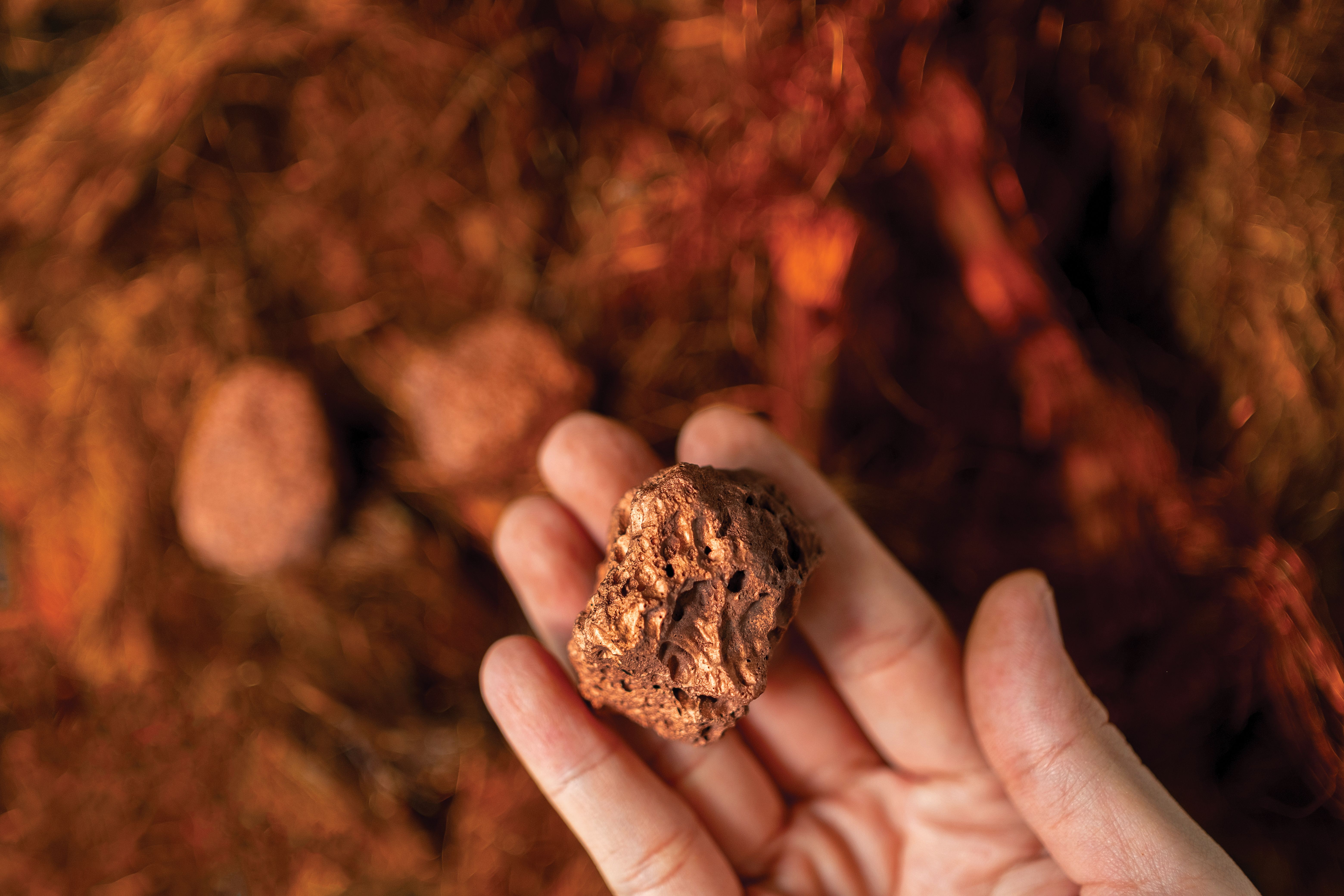
One of the distinctive features of the Lufilian Arc is its vast mineral wealth. The region is particularly renowned for its copper and cobalt deposits, which are among the largest in the world. These minerals are primarily found within sedimentary rock layers, making them relatively accessible for mining operations.
Structural Geology
The structural geology of the Lufilian Arc plays a crucial role in the distribution of mineral deposits. The area's tectonic activity has led to the formation of numerous folds and faults, which serve as conduits for mineralizing fluids. This geological activity has created a diverse array of mineralization types, including vein, stratiform, and disseminated deposits.
Exploration Techniques
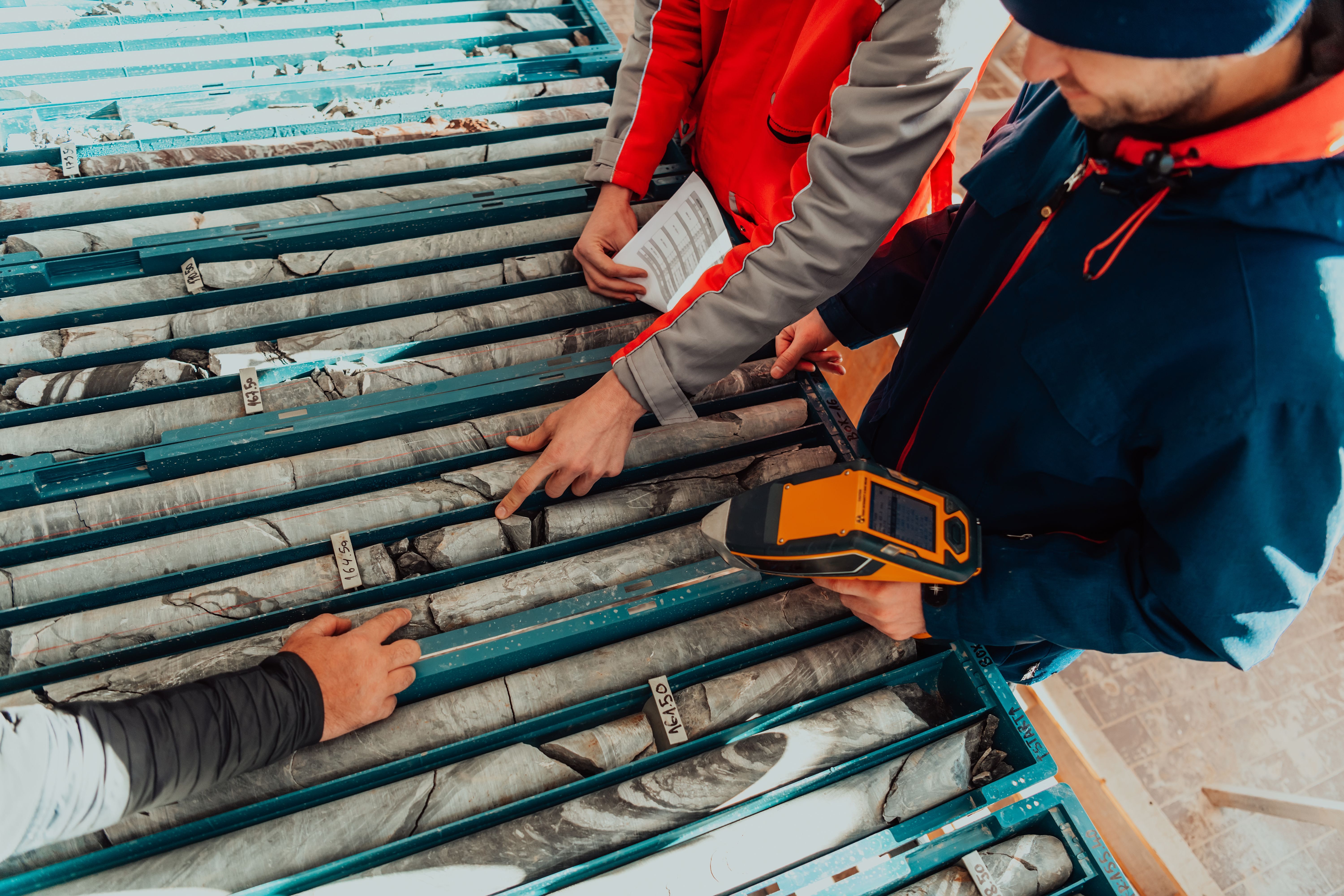
Modern exploration techniques are employed to uncover the arc's hidden mineral wealth. Geophysical surveys, such as magnetic and gravity methods, are commonly used to map the subsurface geology. Additionally, geochemical sampling provides valuable insights into the concentration and distribution of minerals within the arc.
Environmental Considerations
While the Lufilian Arc's mineral deposits offer significant economic opportunities, sustainable mining practices are essential. The region's unique ecosystems must be preserved to ensure that mining activities do not cause irreversible environmental damage. Companies are increasingly adopting environmentally friendly methods to minimize their ecological footprint.
Future Prospects
The future of the Lufilian Arc as a major mining hub looks promising. Advances in exploration technology and sustainable mining practices are likely to unlock new mineral resources while preserving the environment. Continued research and collaboration between governments and mining companies will be key to the region's success.
Conclusion
In summary, the Lufilian Arc stands as a geological marvel with immense mineral potential. Its complex geology has given rise to abundant mineral deposits, particularly of copper and cobalt. As the demand for these resources grows, understanding the arc's geological features will be crucial for sustainable development and environmental conservation.