
From Prospecting to Production: Understanding the Mineral Exploration Journey


The Beginning: Prospecting
Mineral exploration is an exciting journey that starts with prospecting. This initial phase involves searching for geological clues that indicate potential mineral deposits. Prospectors use various tools, from geological maps to satellite imagery, to identify promising areas. The goal is to find signs of mineralization that warrant further investigation.
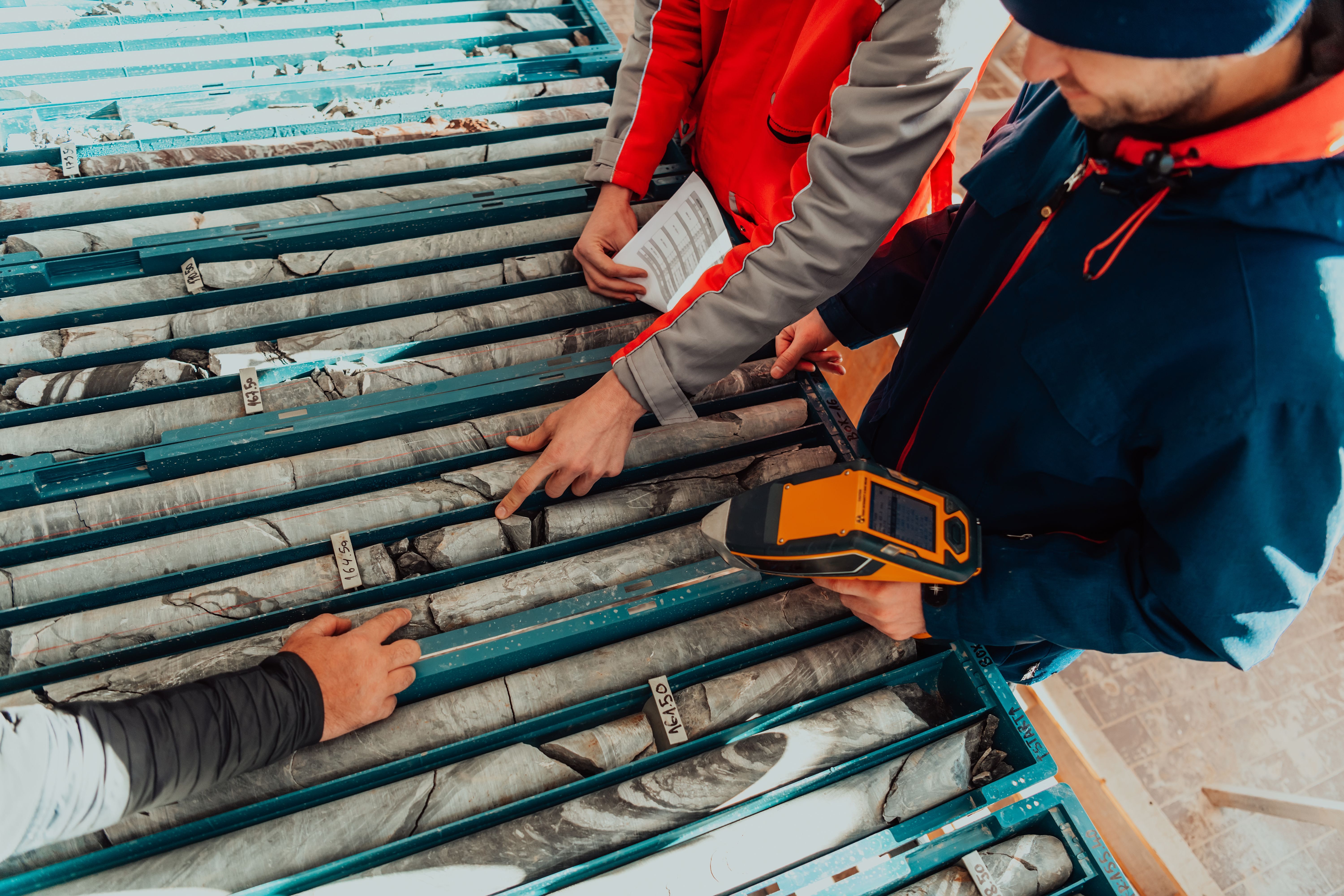
Prospecting is often an art as much as it is a science. Experienced prospectors rely on their intuition and knowledge of geological formations. They might also collect rock samples for further analysis, helping to narrow down potential sites for detailed exploration.
Exploration: Digging Deeper
Once a promising site is identified, the exploration phase begins. This stage involves more detailed geological studies, including geophysical and geochemical analyses. Technologies such as ground-penetrating radar and magnetic surveys are employed to gather data about the subsurface.
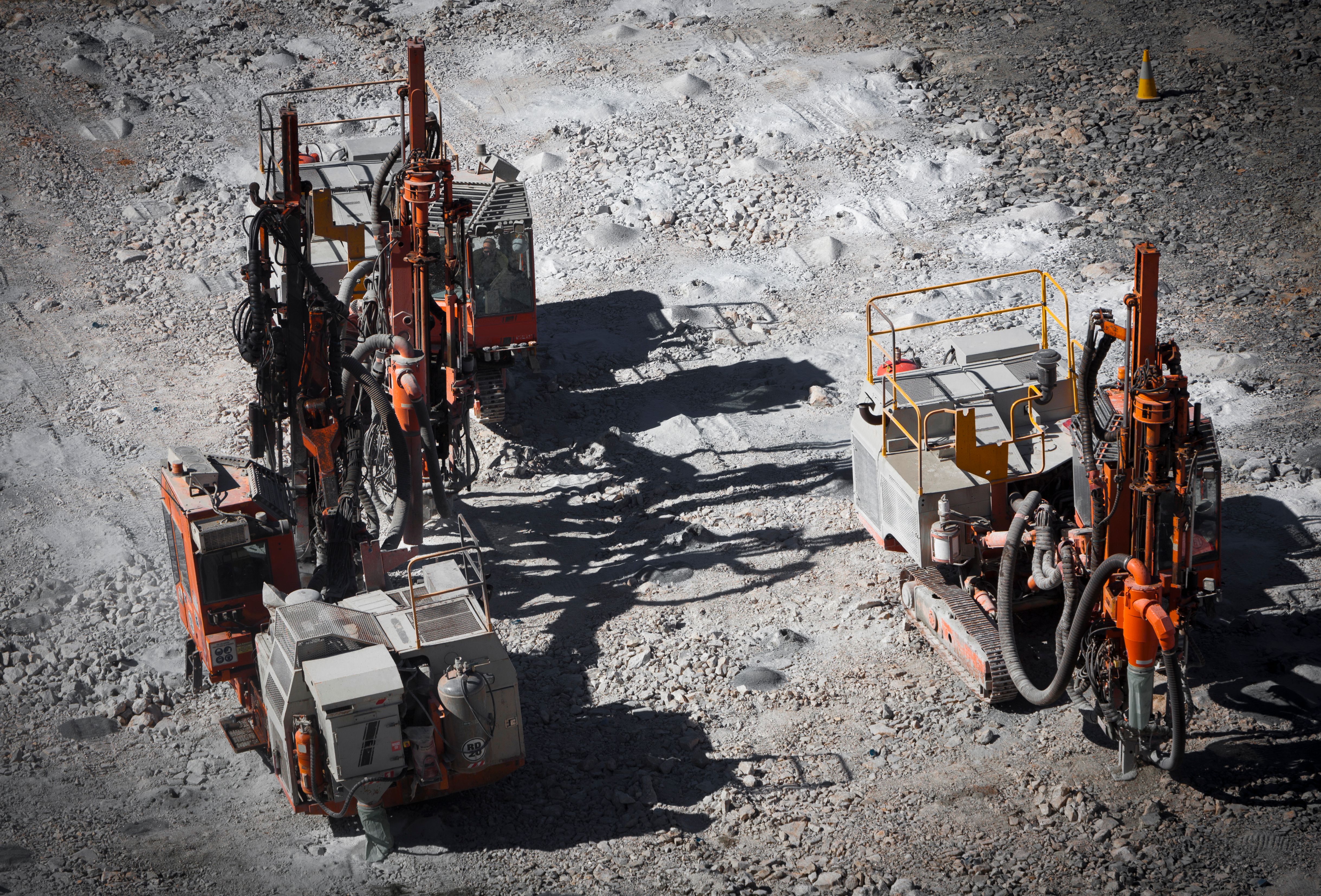
Exploration is a critical phase where companies invest heavily in understanding the resource potential. Drilling is often conducted to obtain core samples, providing a direct look at the mineral content. This data is used to assess the size and quality of the deposit.
Evaluation: Assessing Viability
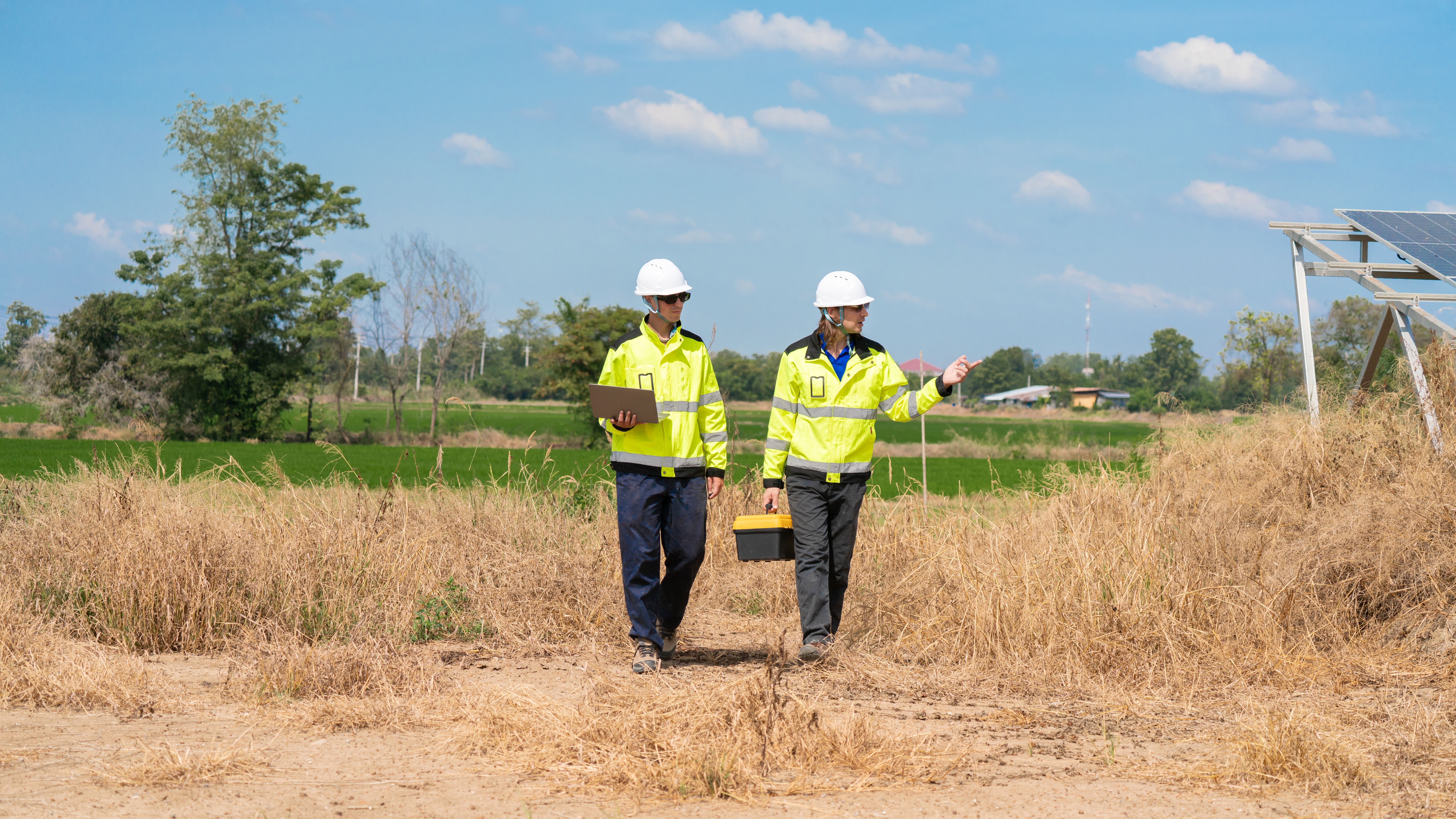
After gathering data, the next step is evaluation. This phase involves determining whether the mineral deposit can be economically extracted. Experts analyze the data to estimate the size, grade, and overall value of the deposit. Economic factors, such as market demand and extraction costs, are also considered.
Environmental and social impact assessments are conducted to ensure that mining activities will not adversely affect the surrounding ecosystem and communities. These evaluations are crucial for obtaining the necessary permits and approvals from regulatory bodies.
Development: Preparing for Production
If the evaluation indicates a viable project, the development phase begins. This stage involves designing the mine and planning the infrastructure needed for production. Companies must secure financing, hire staff, and ensure all legal and environmental regulations are met.
Development can take several years as companies construct facilities, roads, and other essential infrastructure. During this time, ongoing community engagement and environmental management are key to maintaining good relationships with stakeholders.
Production: Extracting Minerals
With everything in place, production can commence. Mineral extraction involves either surface mining or underground mining, depending on the deposit's location and depth. The process is highly mechanized, using advanced machinery to efficiently extract and process the minerals.
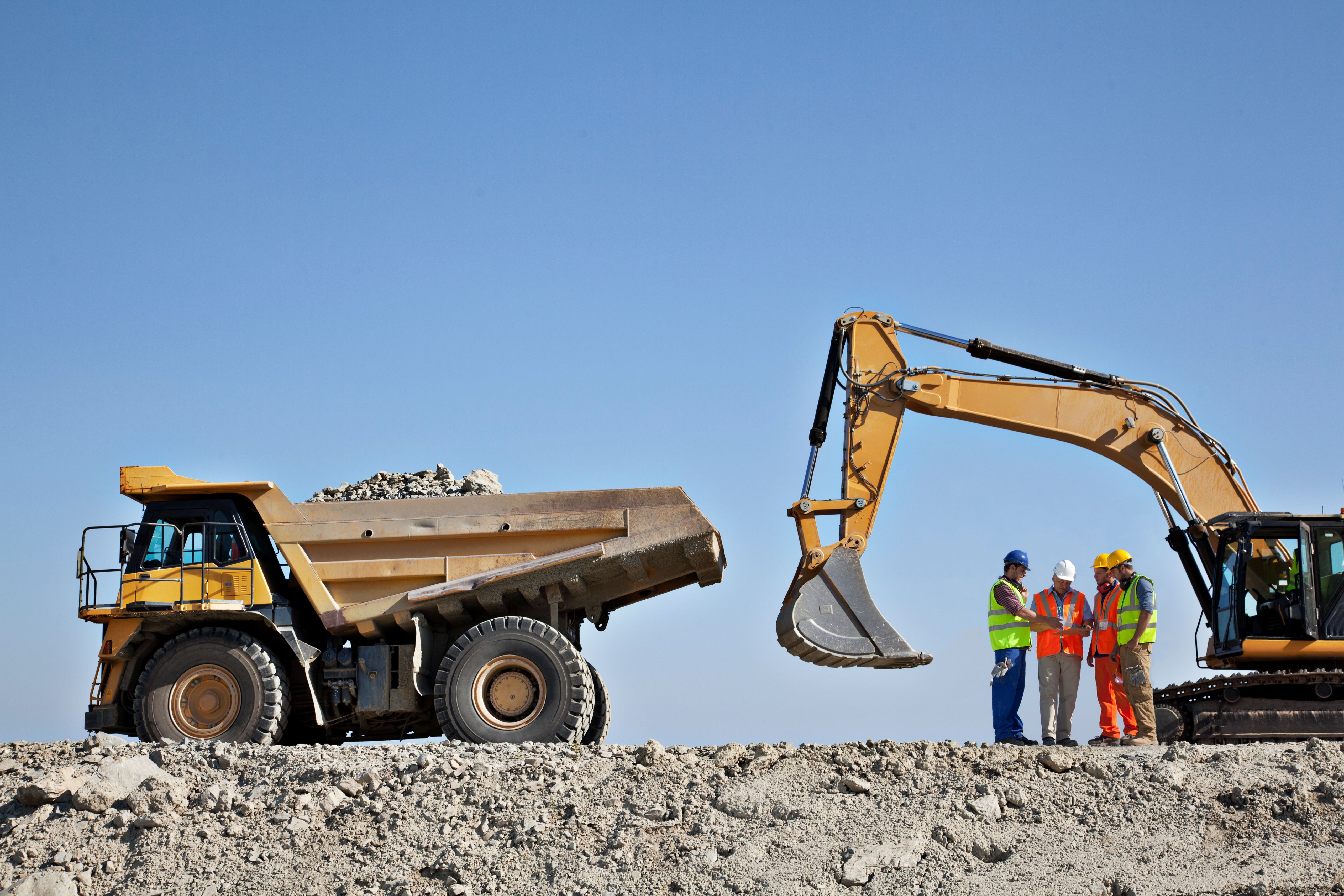
Safety is a top priority during production, with strict protocols in place to protect workers and the environment. Continuous monitoring ensures that operations adhere to environmental standards, and innovations in technology help minimize the impact of mining activities.
Closure and Reclamation
Once the mineral resources are depleted, the mine enters the closure phase. This involves dismantling infrastructure and rehabilitating the land. Reclamation aims to restore the area to its natural state or repurpose it for other uses, such as recreation or wildlife habitats.
Successful reclamation is vital for maintaining environmental integrity and leaving a positive legacy. Mining companies often work with environmental experts and local communities to achieve sustainable outcomes.

The mineral exploration journey is a complex and multifaceted process. From prospecting to production, each phase requires meticulous planning, scientific expertise, and a commitment to sustainability. Understanding this journey helps appreciate the challenges and achievements involved in bringing valuable minerals to market.