
Expert Insights: Navigating the Challenges of Early-Stage Mineral Development


Understanding the Early-Stage Mineral Development Process
Embarking on a mineral development project is a complex journey filled with numerous challenges. Early-stage mineral development involves exploration, feasibility studies, and initial planning. The industry is fraught with uncertainties and requires strategic navigation to ensure success. Grasping the intricacies of this phase is crucial for stakeholders aiming to capitalize on potential resources.
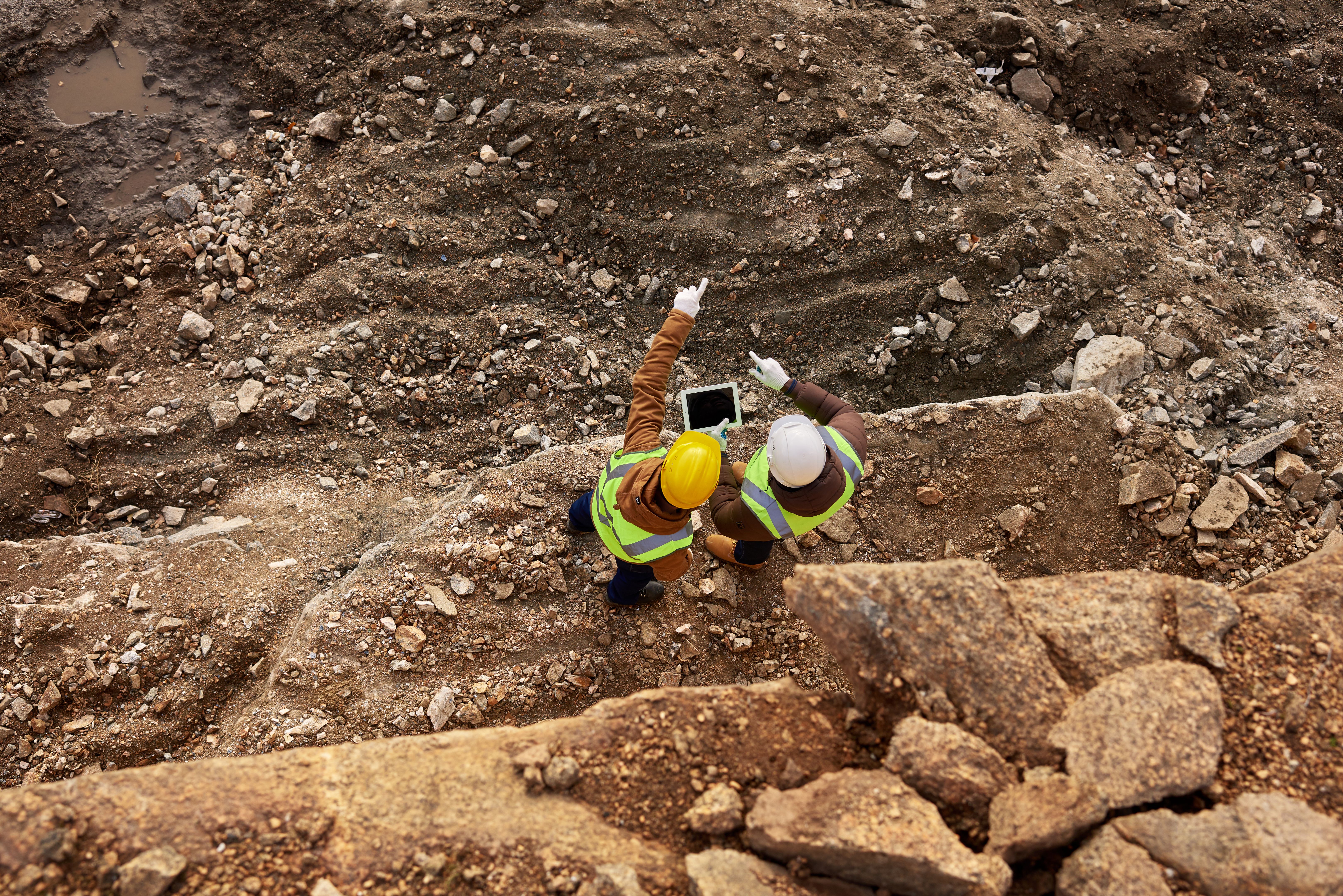
During the initial stages, companies focus on identifying mineral deposits through geological surveys and exploration. This stage requires significant investment and expertise, as the quality and quantity of the mineral deposit must be accurately assessed. Understanding the geological landscape is essential to minimize risks and optimize resource allocation.
Overcoming Regulatory Hurdles
One of the most daunting challenges in early-stage mineral development is navigating the regulatory landscape. Each region has its own set of regulations that must be adhered to, which can impact the timeline and cost of a project. Companies must be diligent in acquiring the necessary permits and ensuring compliance with environmental and safety standards.
Engaging with local communities and governments is critical in this phase. Building strong relationships can facilitate smoother operations and contribute to obtaining the required approvals. Transparent communication and a commitment to sustainable practices can help mitigate potential conflicts and delays.

Financing and Investment Strategies
Securing adequate financing is another significant hurdle. Early-stage projects often rely on venture capital, private equity, or partnerships to fund exploration and development activities. Investors need assurance of the project's viability and potential return on investment.
Developing a robust business plan and demonstrating a clear understanding of market demands and trends can attract potential investors. Highlighting the project's value proposition and showcasing successful case studies can also bolster investor confidence.
Technological Advancements in Exploration
Advancements in technology have revolutionized mineral exploration, offering new tools and techniques to enhance efficiency and accuracy. Technologies such as remote sensing, geophysical surveys, and data analytics play a critical role in identifying viable mineral deposits.

Utilizing cutting-edge technology not only improves exploration outcomes but also reduces operational costs. Companies that invest in innovative solutions can gain a competitive edge and expedite the development process.
Risk Management and Sustainability
Risk management is a fundamental aspect of early-stage mineral development. Companies must identify potential risks and develop strategies to mitigate them. This includes assessing environmental impacts, market volatility, and operational challenges.
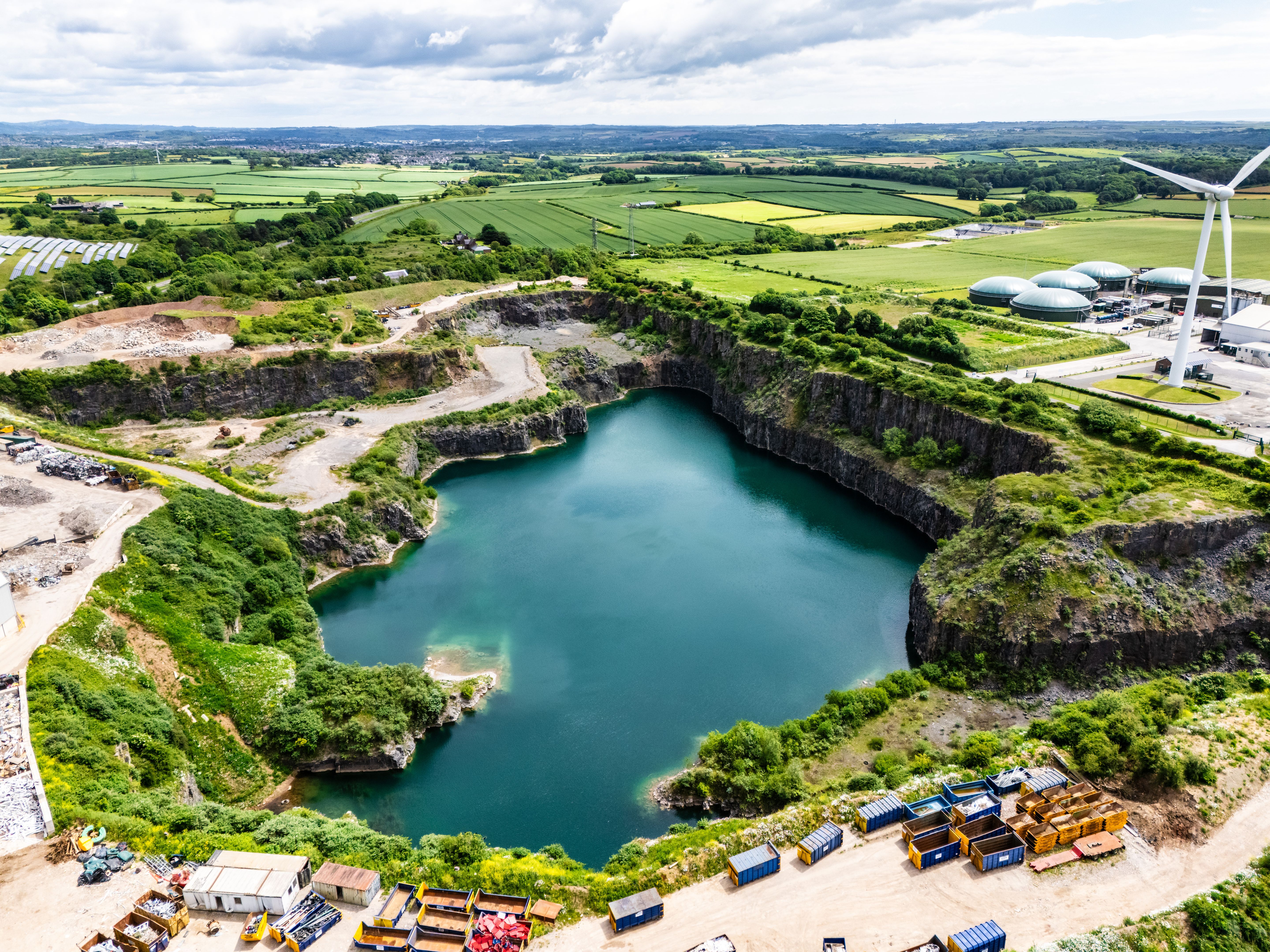
Sustainability is increasingly becoming a focal point in the industry. Implementing sustainable practices can enhance a company's reputation and ensure long-term success. Emphasizing eco-friendly operations and community engagement can create a positive impact and foster goodwill.
Conclusion: The Path Forward
Navigating the challenges of early-stage mineral development requires a multifaceted approach. By understanding the process, overcoming regulatory and financial hurdles, leveraging technology, and prioritizing sustainability, companies can position themselves for success in this competitive industry.
Continual learning and adaptation are key. As the industry evolves, staying informed about emerging trends and innovations will be vital for future growth and development. Embracing these expert insights can pave the way for a prosperous mineral development journey.