Comprehensive Guide to Geological Prospecting in Mwinilunga


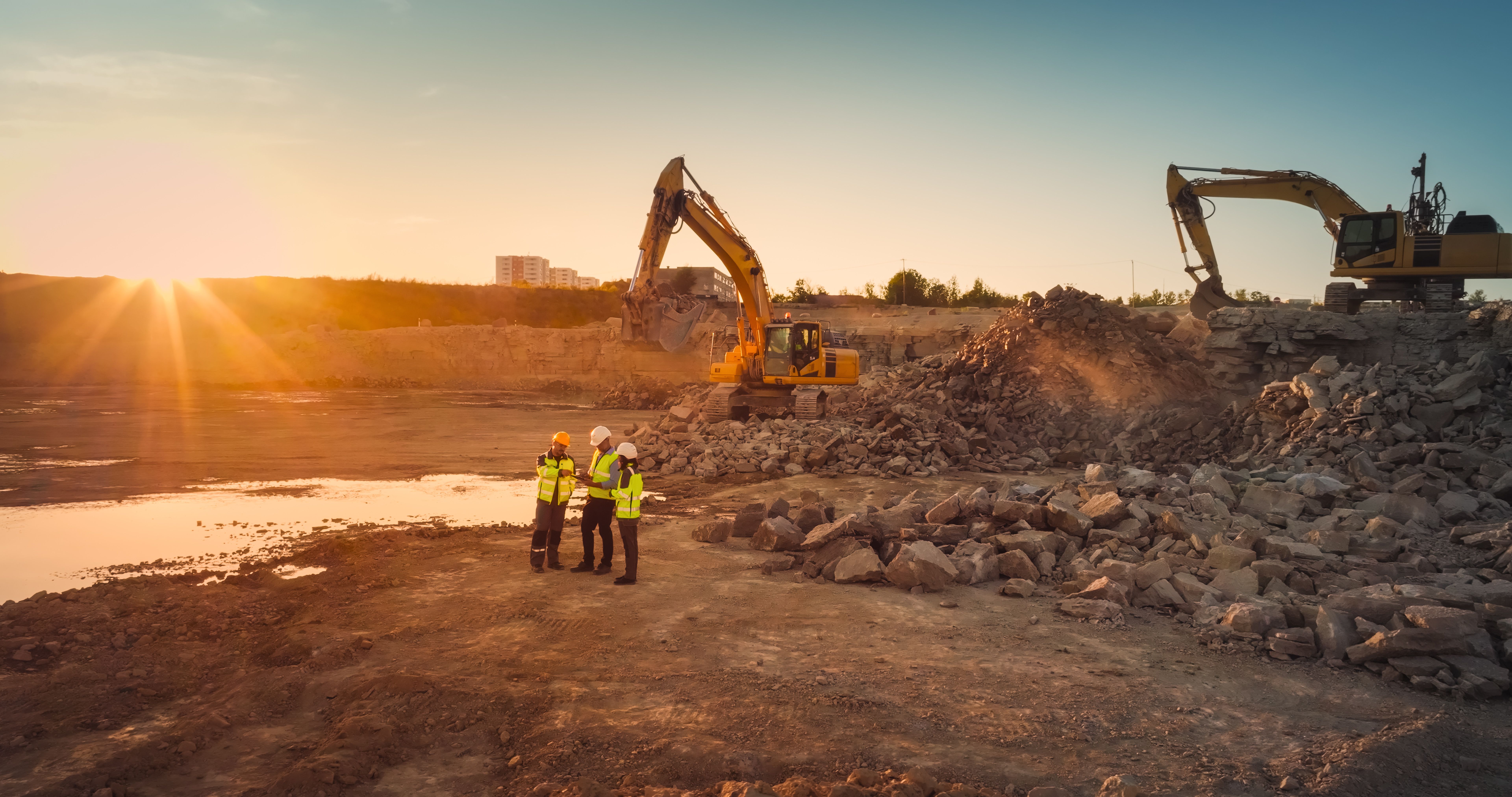
The allure of geological prospecting in Mwinilunga, a region rich with untapped resources, presents a promising opportunity for geologists and investors alike. This comprehensive guide aims to provide a clear understanding of the key aspects involved in successful prospecting in this area.
Understanding the Geological Landscape
Mwinilunga is situated in a geologically diverse region, characterized by a mixture of sedimentary, metamorphic, and igneous rocks. This varied geology creates an ideal setting for discovering valuable minerals such as gold, copper, and cobalt. Understanding the local geology is crucial for effective prospecting.
Prospectors should familiarize themselves with the geological maps of the area, which detail the rock formations and fault lines. Consulting with local geologists who have extensive knowledge of the region can also provide invaluable insights.

Tools and Techniques for Prospecting
Geological prospecting requires a combination of traditional methods and modern technology. Some essential tools include geological hammers, GPS devices, and portable XRF analyzers. These tools help in identifying mineral deposits and assessing their potential value.
In addition to physical tools, software solutions such as GIS (Geographic Information Systems) are used for mapping and analyzing the geological data. These technologies streamline the prospecting process and increase the accuracy of findings.
Sample Collection and Analysis
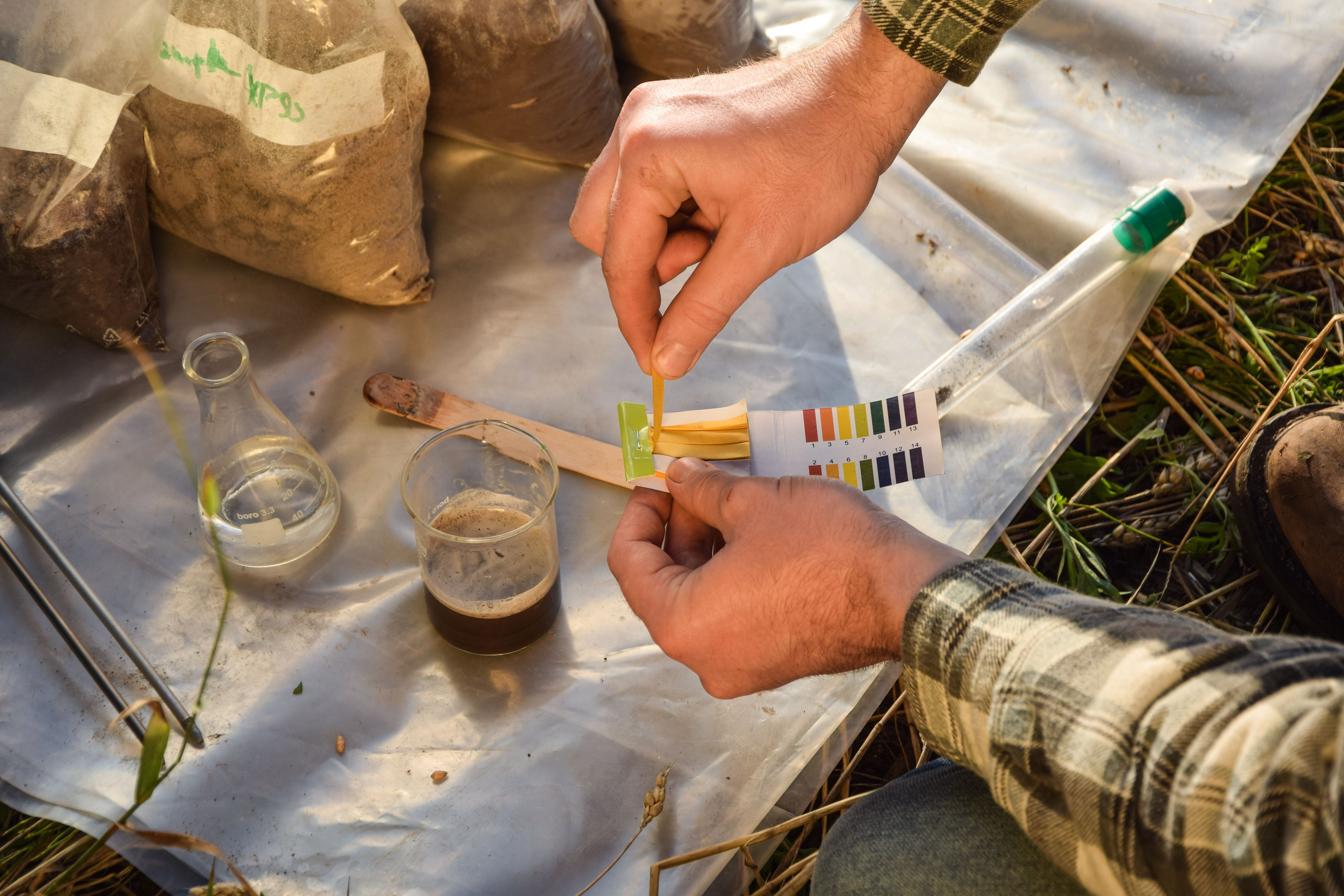
Collecting and analyzing rock and soil samples is a critical step in prospecting. Samples should be systematically collected and labeled to maintain the integrity of the data. Laboratory analysis will reveal the mineral composition and concentration, providing a clearer picture of the potential yield.
Legal and Environmental Considerations
Before embarking on a prospecting mission, it's essential to understand the legal framework governing mineral exploration in Mwinilunga. Securing the necessary permits and licenses is a mandatory step to ensure compliance with local regulations.
Environmental considerations are equally important. Prospectors must adhere to sustainable practices to minimize the ecological impact of their activities. This includes careful planning and execution of prospecting activities to avoid habitat destruction and pollution.

Community Engagement
Engaging with local communities is a vital component of successful geological prospecting. Building relationships with community leaders and residents can facilitate smoother operations and foster goodwill. Understanding local customs and addressing community concerns can also lead to more sustainable and mutually beneficial outcomes.
Challenges and Opportunities
While the prospecting landscape in Mwinilunga is promising, it is not without challenges. Navigating the rugged terrain and unpredictable weather can pose logistical difficulties. However, these challenges are offset by the significant opportunities for discovering valuable mineral deposits.
Investing in geological prospecting in Mwinilunga requires a strategic approach, combining thorough research, cutting-edge technology, and community collaboration. With the right preparation and resources, the potential rewards are substantial.