
Case Study: Successful Discovery of Copper-Gold Anomalies in Musangala


Introduction to Musangala's Mineral Potential
The Musangala region has long been a subject of interest for geologists and mining companies due to its rich geological formations. Recent exploration activities have led to the successful discovery of copper-gold anomalies, marking a significant milestone in the area's mining potential.
The discovery process involved advanced exploration techniques, meticulous planning, and a collaboration of skilled professionals. This case study highlights the strategies and outcomes that contributed to this remarkable achievement.
Exploration Techniques and Methodologies
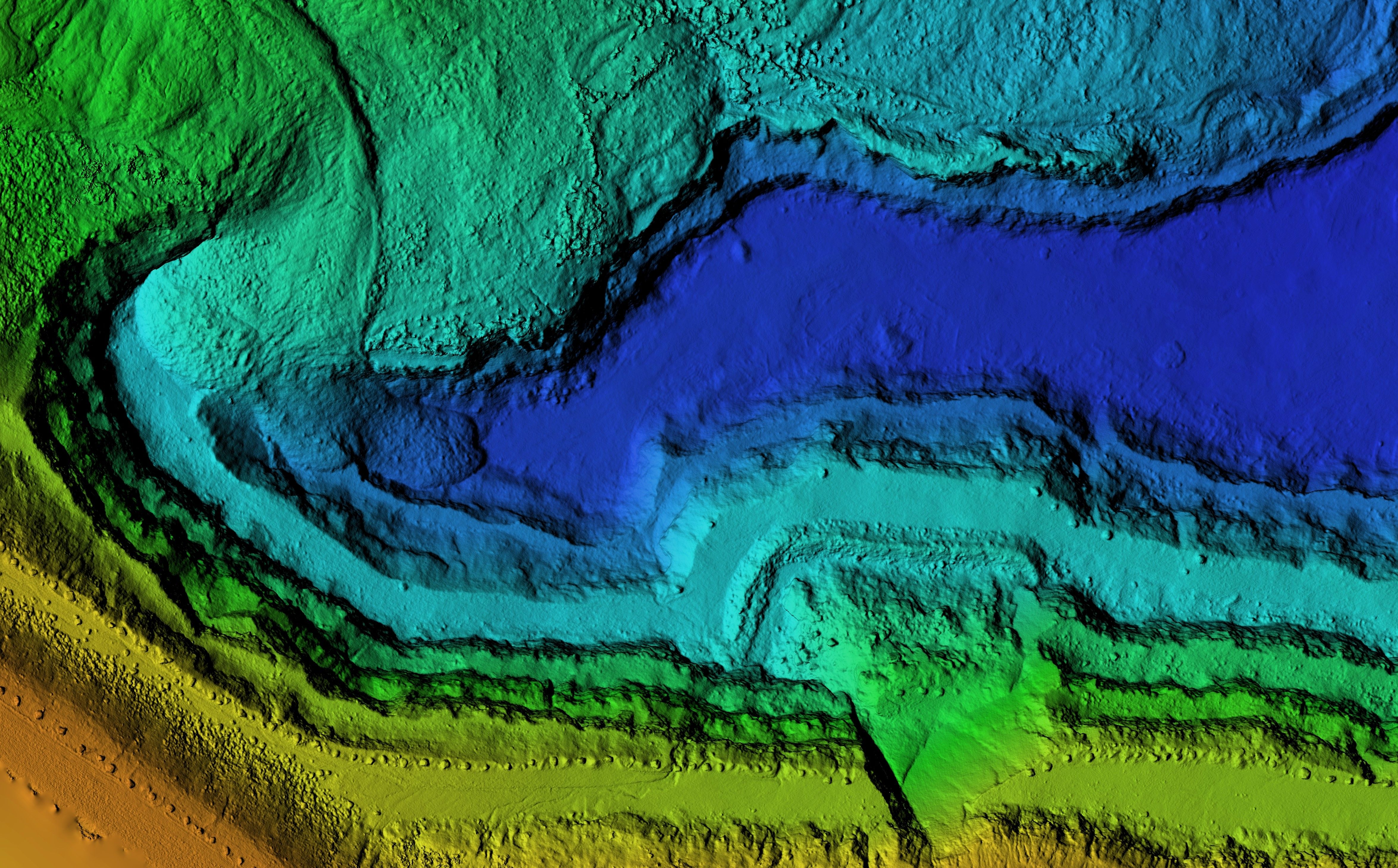
Several cutting-edge methodologies were employed to identify the copper-gold anomalies in Musangala. These included geochemical sampling, geophysical surveys, and remote sensing. Each technique played a pivotal role in pinpointing the areas with the highest potential.
Geochemical Sampling
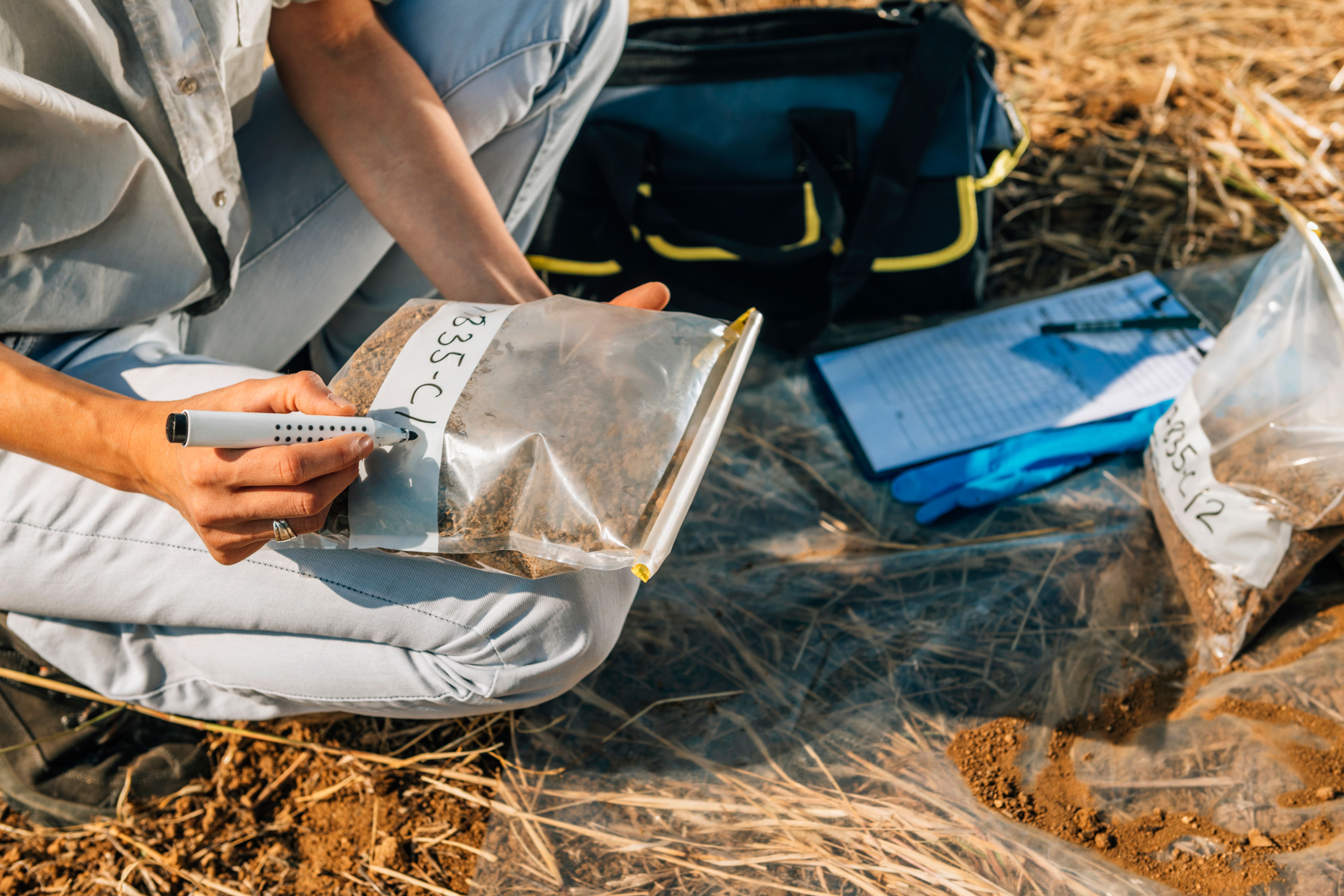
Geochemical sampling was crucial in detecting mineral deposits. By analyzing soil and rock samples, geologists could map out areas with abnormal mineral concentrations, paving the way for more detailed investigations.
Geophysical Surveys
Geophysical surveys, utilizing magnetic and electrical methods, provided a non-invasive means to assess the subsurface composition. This approach was instrumental in identifying the distinct signatures of copper-gold deposits.
Collaboration and Expertise
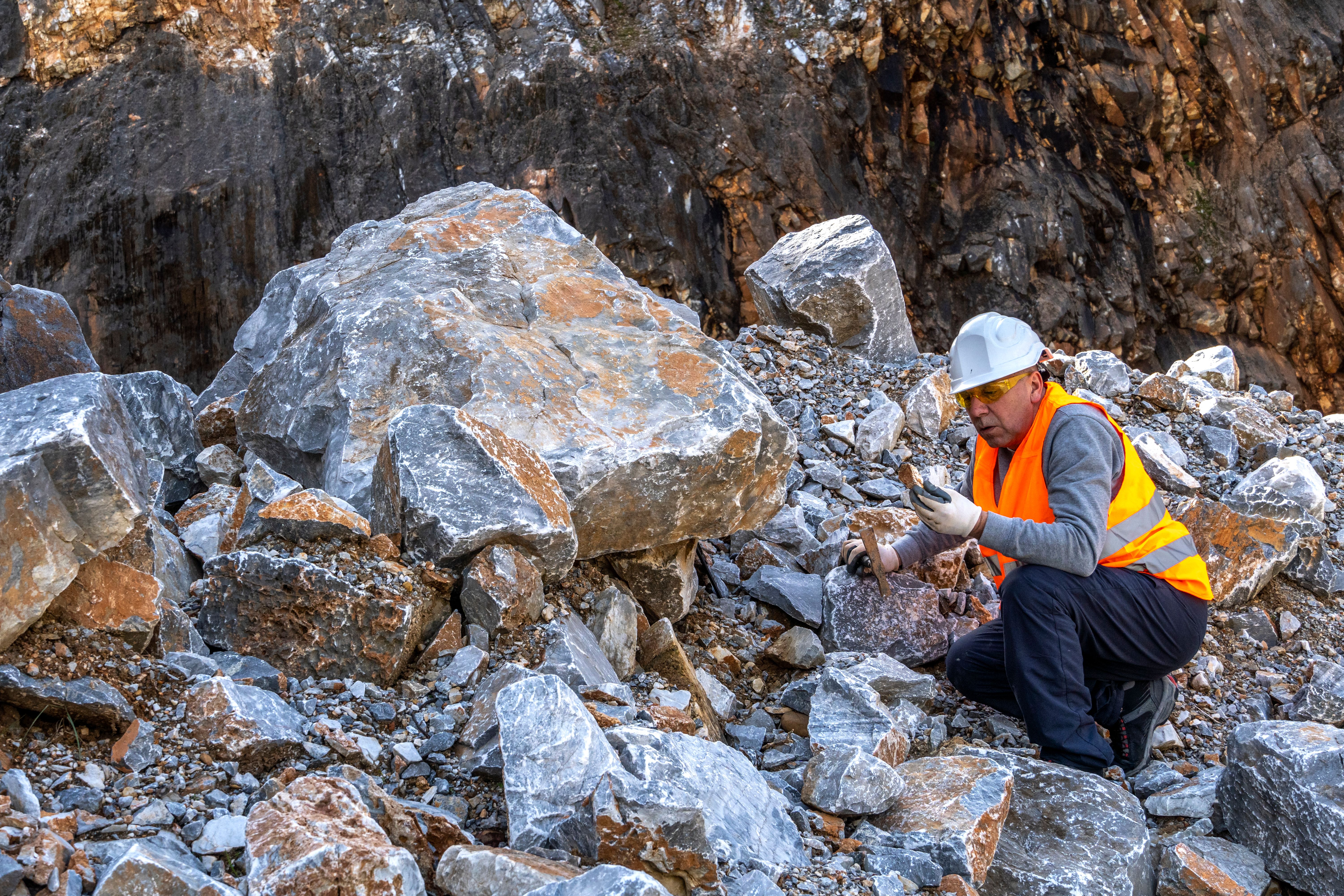
The success of the Musangala exploration was largely due to the collaboration between various experts in the field. Geologists, data analysts, and engineers worked together, sharing insights and expertise to ensure thorough exploration and accurate findings.

This collaborative approach not only enhanced the efficiency of the exploration process but also ensured that all potential areas were thoroughly examined. The integration of diverse skills and knowledge was key to the project's success.
Outcomes and Impact
The discovery of copper-gold anomalies in Musangala has had a profound impact on the region. It has opened new opportunities for mining operations, attracting investments, and boosting the local economy. The potential for job creation and infrastructure development is significant.
Additionally, this discovery has encouraged further exploration activities in neighboring areas, underlining the importance of continued investment in geological research and exploration technologies.
Conclusion
The Musangala case study serves as a testament to the power of modern exploration techniques and collaborative efforts in the mining industry. The successful discovery of copper-gold anomalies not only highlights the region's mineral wealth but also sets a precedent for future exploration projects.
As technology continues to advance, the potential for discovering new mineral deposits grows, offering exciting prospects for the mining industry and contributing to global economic development.