
Case Study: Successful Copper-Gold Anomalies Exploration in Musangala


Introduction to the Musangala Exploration
The Musangala region has long been a point of interest for mineral exploration due to its rich geological profile. Recent efforts have led to the successful identification of copper-gold anomalies, marking a significant achievement in the field of mineral exploration. This case study delves into the methodologies used, the challenges faced, and the outcomes achieved.
Geological Overview
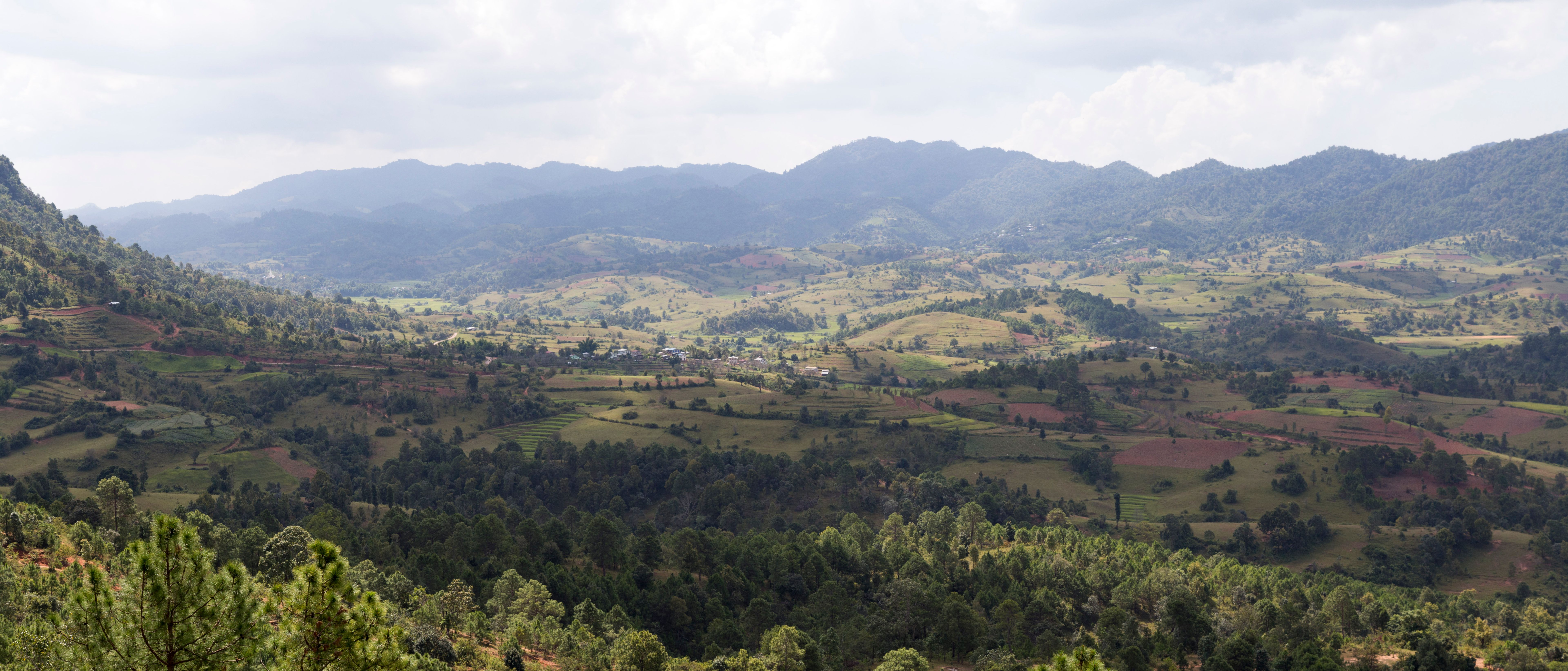
The Musangala region is characterized by its complex geological formations, which include a variety of mineral-rich deposits. The area's unique geology has made it an attractive target for mining companies seeking copper and gold. Understanding the geological context was crucial for planning and executing the exploration strategy.
Geologists first performed extensive mapping to identify potential mineralization zones. The region's history of volcanic activity contributed to the formation of these valuable deposits. By analyzing rock samples and using advanced geophysical methods, explorers were able to pinpoint areas with high potential.
Exploration Techniques and Methodologies
The exploration team employed a combination of traditional and modern techniques to identify copper-gold anomalies. Key methodologies included:
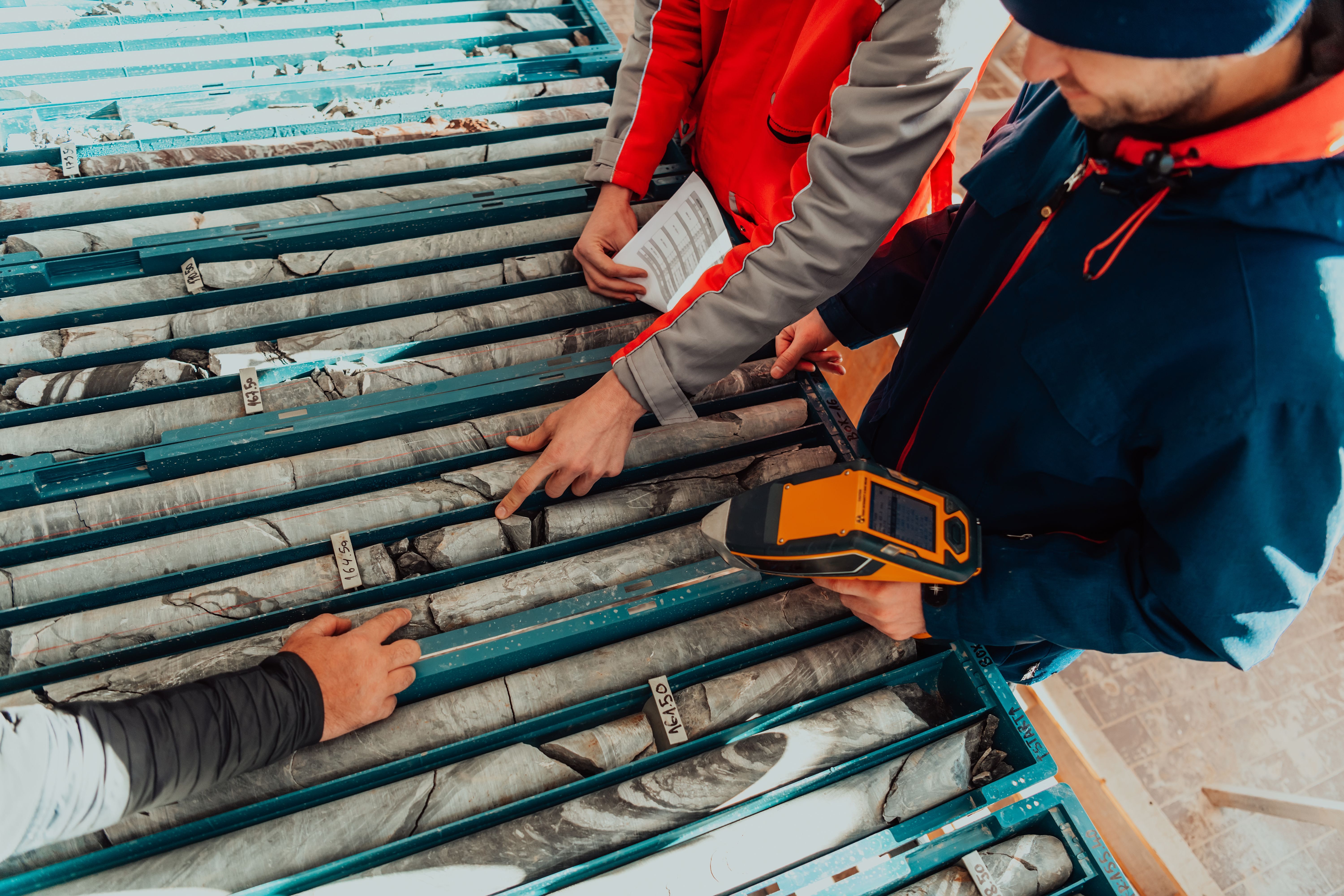
- Geochemical Sampling: Collecting soil and rock samples to detect trace elements indicative of mineral deposits.
- Geophysical Surveys: Utilizing technologies like magnetic and electrical resistivity to map subsurface structures.
- Remote Sensing: Analyzing satellite imagery to gain insights into surface geology and mineralization patterns.
Challenges Faced During Exploration
Despite the promising geological indicators, the exploration team encountered several challenges. The remote location of Musangala posed logistical difficulties, requiring careful planning and resource allocation. Additionally, unpredictable weather conditions often hindered fieldwork, delaying the collection of crucial data.
Environmental concerns also played a role in shaping the exploration strategy. Ensuring that the exploration activities adhered to sustainable practices was a priority, requiring the team to implement measures to mitigate their environmental impact.
Results and Discoveries
The exploration efforts in Musangala culminated in the identification of multiple copper-gold anomalies. These findings have opened new avenues for mining operations in the region. The anomalies are characterized by high concentrations of copper and gold, making them attractive targets for further development.
Impact on the Local Economy
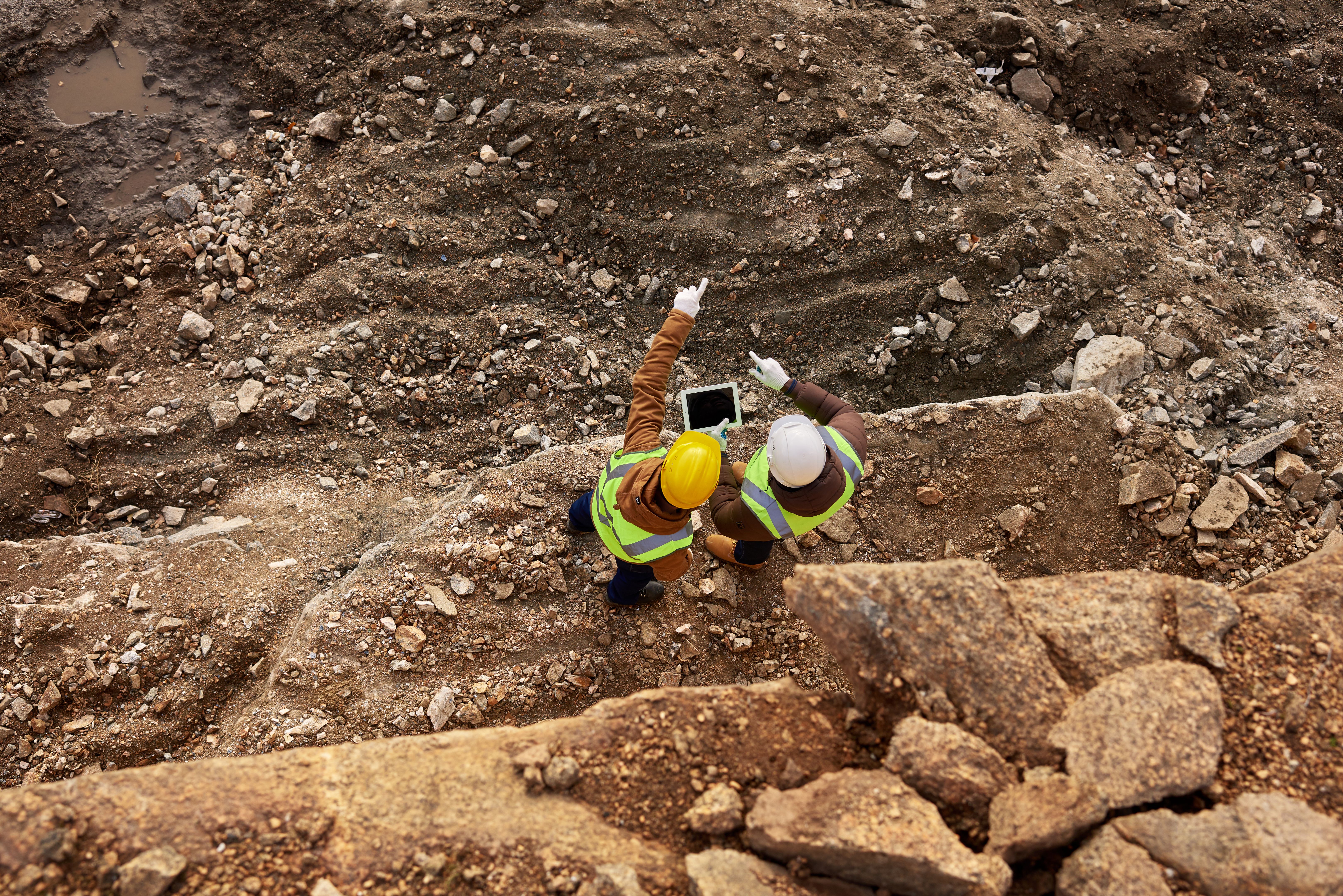
The discovery of copper-gold anomalies in Musangala has the potential to significantly boost the local economy. Mining operations can create jobs, stimulate infrastructure development, and contribute to community growth. By fostering partnerships with local stakeholders, the exploration team has laid the groundwork for sustainable economic benefits.
Efforts are also underway to ensure that the local community is actively involved in the decision-making process, promoting transparency and mutual benefit.
Future Prospects
With the successful discovery of copper-gold anomalies, the future of mineral exploration in Musangala looks promising. Ongoing studies aim to further delineate these findings and assess their full potential. The insights gained from this case study will inform future exploration projects both in Musangala and similar regions worldwide.
As technology continues to advance, the methods used in Musangala will likely serve as a model for future exploration efforts, highlighting the importance of innovation in the mining industry.