
Case Study: Discovering Copper-Gold Anomalies at Musangala


Introduction to Musangala Exploration
Musangala, a region rich in mineral potential, has recently become the focal point for mining companies eager to discover valuable resources. The area is particularly noted for its copper-gold anomalies, promising lucrative opportunities for investors and stakeholders. In this case study, we will explore the journey of uncovering these mineral riches and the methodologies employed to achieve success.

Geological Setting and Background
Located in a geologically diverse region, Musangala boasts a complex structure of mineral deposits. The area is characterized by its unique tectonic activity, which has contributed to the formation of rich copper and gold veins. Understanding the geological history of Musangala is essential for any exploration endeavor, as it influences both the strategy and technology used in mining operations.
Historically, Musangala was not considered a prime location for mining. However, recent advancements in geological surveying and technology have revealed hidden potential. These discoveries have sparked a renewed interest in the region, attracting international attention.
Methodologies and Technologies Used
To uncover the copper-gold anomalies, a combination of traditional and modern techniques was employed. Initial surveys involved geological mapping and sampling, providing a foundational understanding of the area's mineral composition. The use of satellite imagery and aerial surveys further refined the exploration process.
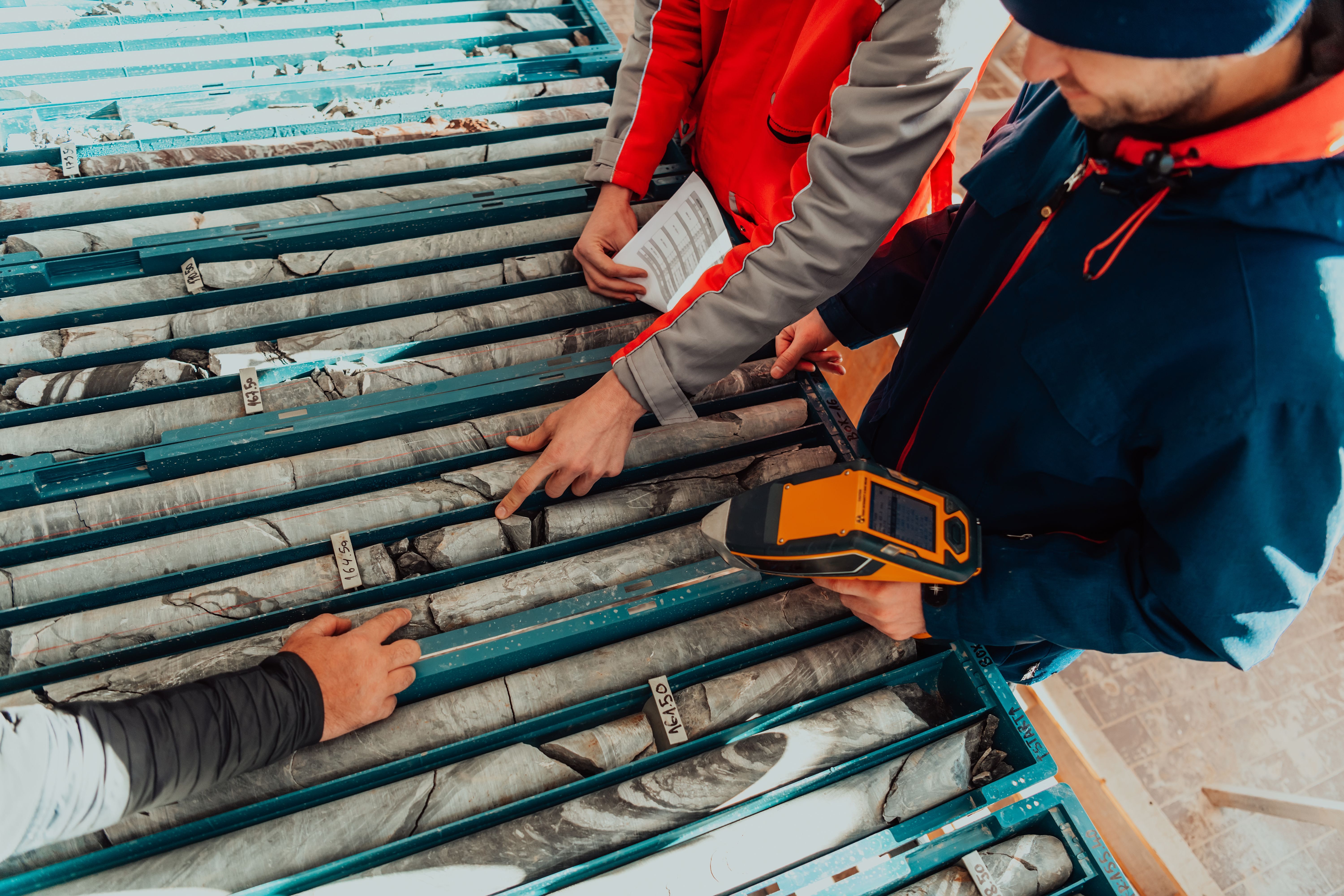
Advanced geophysical techniques, such as magnetic and electromagnetic surveys, were crucial in identifying subsurface anomalies. These technologies allowed geologists to visualize the underground structure and pinpoint areas with the highest potential for mining. This approach reduced the risk and increased the efficiency of exploration activities.
Challenges Faced During Exploration
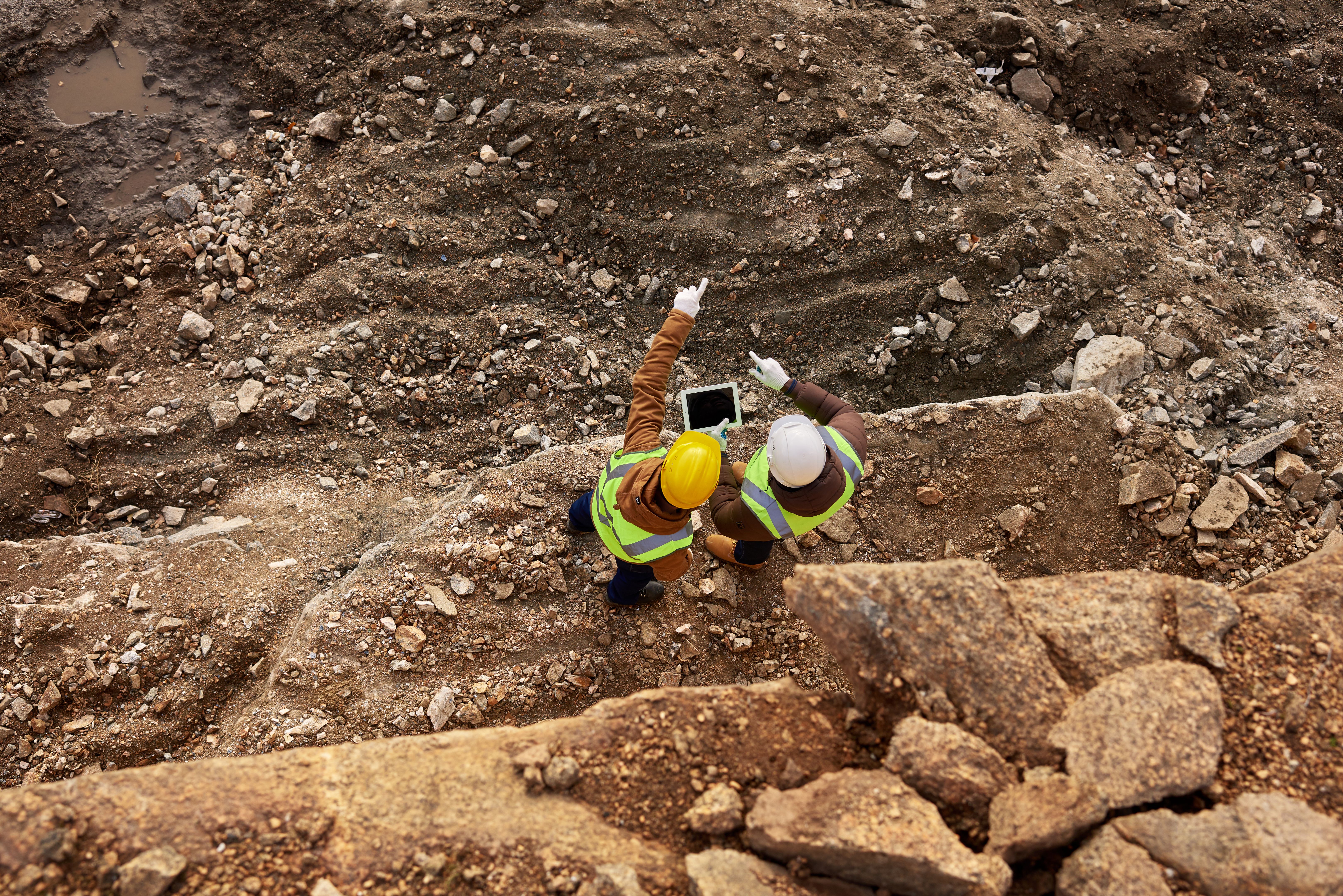
Despite the potential rewards, the exploration of Musangala was not without its challenges. The region's remote location posed logistical difficulties, requiring innovative solutions for transportation and communication. Additionally, environmental concerns had to be addressed, ensuring that mining activities adhered to sustainable practices.
Another significant challenge was the need to balance the interests of local communities with the goals of mining companies. Engaging with stakeholders and ensuring transparent communication were key to navigating these social dynamics.
Outcomes and Implications
The discovery of copper-gold anomalies at Musangala has had a profound impact on the region's economy and the mining industry at large. The successful exploration has not only increased investor confidence but also highlighted the importance of integrating modern technologies in mineral discovery.
Local communities have benefited from new job opportunities and infrastructure development, fostering economic growth. However, it remains essential to continue monitoring the environmental impact and ensuring that the benefits are equitably distributed.
Future Prospects
The success at Musangala sets a precedent for future exploration endeavors in similar regions. The methodologies and technologies used can be adapted to other geological settings, paving the way for further discoveries. As technology continues to advance, the potential for finding new mineral resources grows, promising exciting developments in the mining sector.

In conclusion, the exploration of Musangala serves as a testament to the power of combining traditional knowledge with cutting-edge technology. It highlights the opportunities and challenges inherent in modern mining and underscores the need for a balanced approach that considers economic, environmental, and social factors.